Nemovitost v zóně 3: co to znamená a jak to ovlivňuje vaši koupě nebo prodej
When you hear nemovitost v zóně 3, oblast s vysokým rizikem povodní, která má specifické právní a finanční nároky. Also known as povodňová zóna 3, it means the property is located in an area where flooding is not just possible — it’s expected, and authorities treat it seriously. This isn’t just a label on a map. It affects your mortgage, your insurance, your resale value, and even how much you can borrow. If you’re thinking about buying or selling, ignoring this means risking thousands — or even tens of thousands — of korunas.
Most people don’t realize that banks in the Czech Republic now treat hodnocení nemovitosti, odhad hodnoty nemovitosti pro účely hypotéky. Also known as bankovní odhad, it is a critical step in the buying process. in zóně 3 differently. They often lower the appraised value by 10–25% compared to similar properties outside the zone. Why? Because they know it’s harder to sell if things go wrong. And if you’re selling, that lower appraisal can kill your deal before it even starts. You might think your house is worth 5 million, but if the bank says it’s worth 3.8 million because it’s in zóně 3, your buyer’s loan gets cut — and so does your chance to sell.
Then there’s pojištění nemovitosti, povinné a drahé pojištění pro nemovitosti v rizikových oblastech. Also known as povodňové pojištění, it is a non-negotiable cost for owners in zone 3.. You can’t get a mortgage without it. And it’s not cheap. Premiums can be 2–3 times higher than in low-risk areas. Some insurers even add waiting periods — meaning if a flood happens three months after you buy, you might not get paid. And forget about policies that cover only structural damage. In zóně 3, you need full coverage — floors, walls, furniture, even your boiler. Many buyers skip reading the fine print and end up shocked when they file a claim and get denied.
And don’t assume you’re safe just because your property hasn’t flooded yet. Zóně 3 is based on long-term hydrological models, not past weather. The area might have been dry for 20 years — but if the river changed its course or the drainage system got overloaded, your home is still in the zone. Local authorities update these maps every few years, and when they do, your insurance and mortgage terms can change overnight.
If you’re selling, the biggest mistake is hiding the zone. Buyers in the Czech Republic are becoming smarter. They check the cadastre before even scheduling a viewing. If you don’t mention it upfront, they’ll find out — and they’ll use it to negotiate a lower price. But if you’re upfront — and you’ve prepared the property well — you can still sell. Clean it up. Fix leaks. Show them you’ve invested in flood protection. Document every upgrade. That’s how you turn a liability into a selling point.
Below you’ll find real guides from owners and experts who’ve been through it — how to handle inspections, how to negotiate with insurers, how to stage a home in a flood zone so it still looks desirable. No theory. No fluff. Just what works on the Czech market right now.
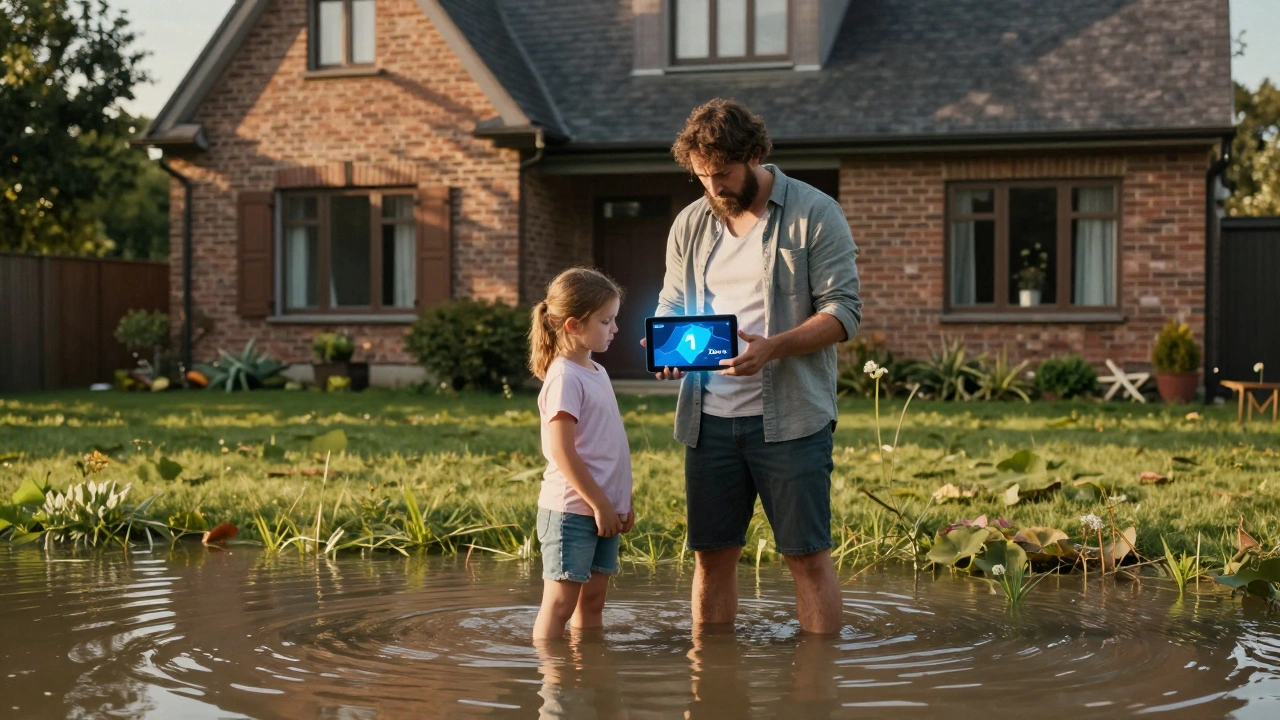
Nemovitost se záplavovým rizikem: Jak zjistit, jestli je vaše nemovitost v nebezpečné zóně a jak ji pojistit
Zjistěte, jestli je vaše nemovitost v záplavové zóně, jak pojištění funguje a jak snížit náklady. Víte, co vlastně kryje pojištění proti povodním? Víte, jak se liší povodeň a záplava? Zde najdete vše, co potřebujete vědět.